Gallery
Maximize Your Strawberry Harvest: 7 Tricks for a Longer, More Bountiful Season
Dreaming of sweet, sun-ripened strawberries for a longer stretch of the summer? With the right techniques, you can not only extend the season — you can also harvest more and better berries. Here are 7 clever tricks to help you enjoy a bigger strawberry season at home.
 Depositphotos.com
Dreaming of Sweet, Sun-Ripened Strawberries All Summer Long?
With the right techniques, you can not only extend the season—you can also enjoy more and better berries. Here are 7 smart tricks to help you stretch your strawberry season at home.
#1: Choose Different Varieties with Staggered Ripening Times
 Pexels
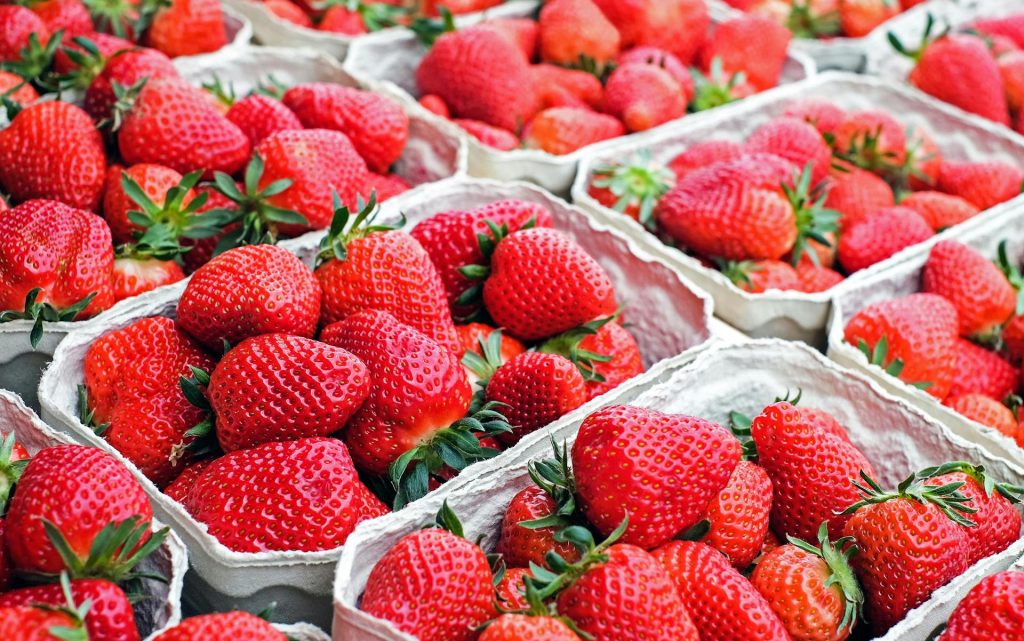
One of the most effective ways to extend your strawberry season is by planting multiple varieties that ripen at different times. Start with early producers like ‘Honeoye,’ continue with mid-season varieties like ‘Korona,’ and finish strong with late-season types such as ‘Malwina.’ This spreads out your harvest over several weeks.
![]()
Read also:
#2: Use Straw or Garden Fabric to Warm the Soil
 Pexels
By applying straw mulch or floating row covers early in the spring, you can raise soil temperatures and encourage your plants to grow sooner. This gives you a head start on the season and earlier berries. As a bonus, it also helps suppress weeds and retain moisture.
#3: Feed Your Plants Regularly
 Pexels
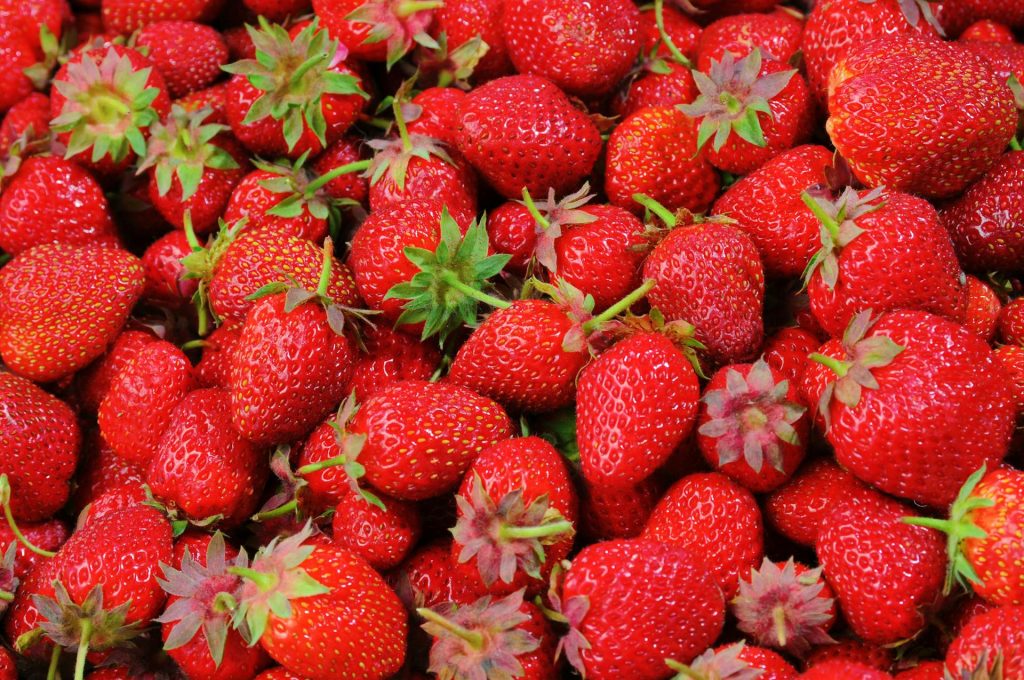
Strawberries need plenty of nutrients to produce lots of large, juicy fruit. Use an organic strawberry fertilizer or compost around your plants during the growing season. Well-fed plants are healthier, more productive, and keep producing longer.
#4: Remove Runners to Focus the Plant’s Energy
 Pexels
Strawberry plants naturally produce runners, which can turn into new plants. But if your goal is maximum berry production, it’s best to trim them off regularly. This forces the plant to channel its energy into flowers and fruit rather than new foliage.
#5: Water Strategically and Consistently
 Pexels
Lack of water during the growing season can stunt flowering and damage the fruit. Water consistently—especially during dry spells—and aim to do it early in the morning. Avoid soaking the leaves, as damp foliage increases the risk of fungal diseases.
#6: Protect Against Pests and Disease
 Pexels
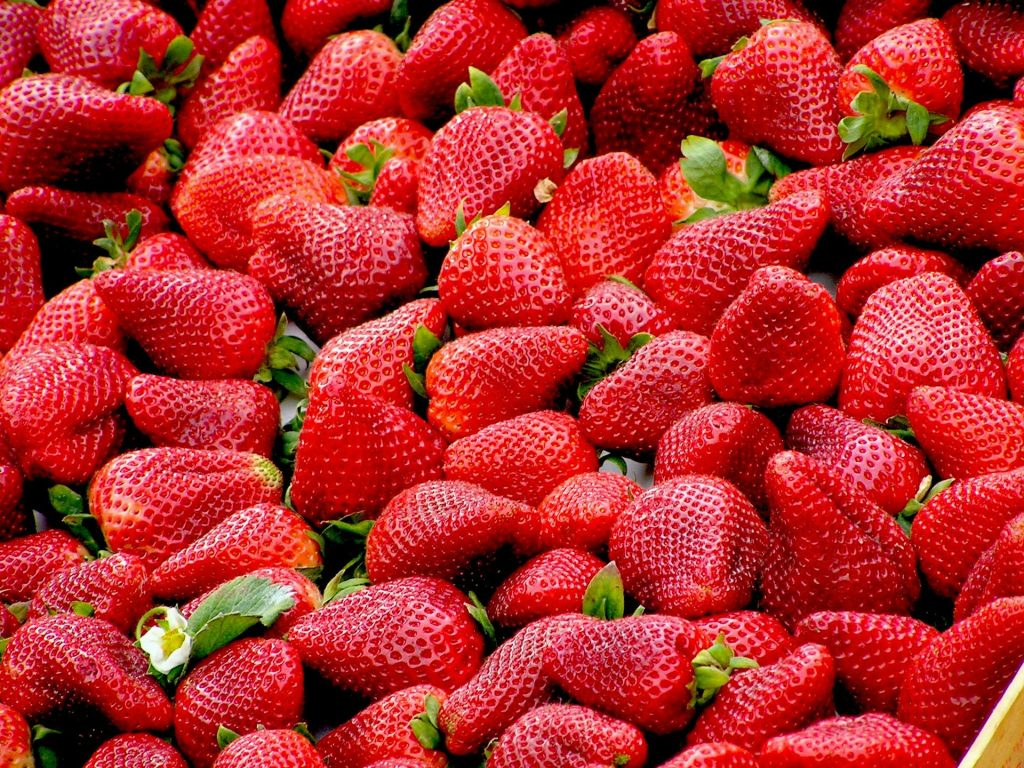
Fungal diseases like gray mold and pests like slugs can quickly cut your season short. Use netting, organic repellents, or barriers to keep pests at bay. And always remove infected leaves or fruit quickly to prevent spread.
#7: Take Advantage of Fall Planting
 Pexels
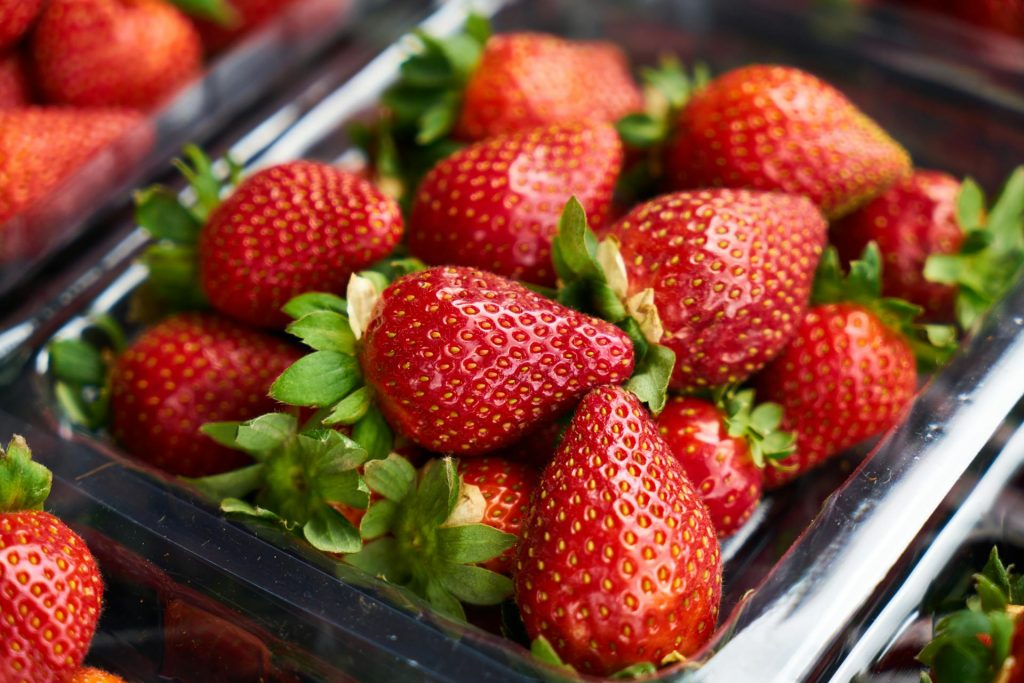
Planting your strawberries in late summer or early fall gives them time to establish strong roots before winter. Come spring, they’ll be more vigorous and productive—resulting in an earlier, longer harvest. It’s a smart investment that pays off!
Our team may have used AI to assist in the creation of this content, which has been reviewed by our editors.
![]()
Read also: