 Photo: Pexels
Taking your car to the shop often feels like playing a blindfolded poker game – you’re unsure what’s wrong, and you’re just hoping the bill won’t be astronomical. Repair shops – especially the more creative ones – have a toolkit of tricks to get you to nod and pay up without asking too many questions.
Here are the 10 most common methods you should watch out for.
“We just found something else…”
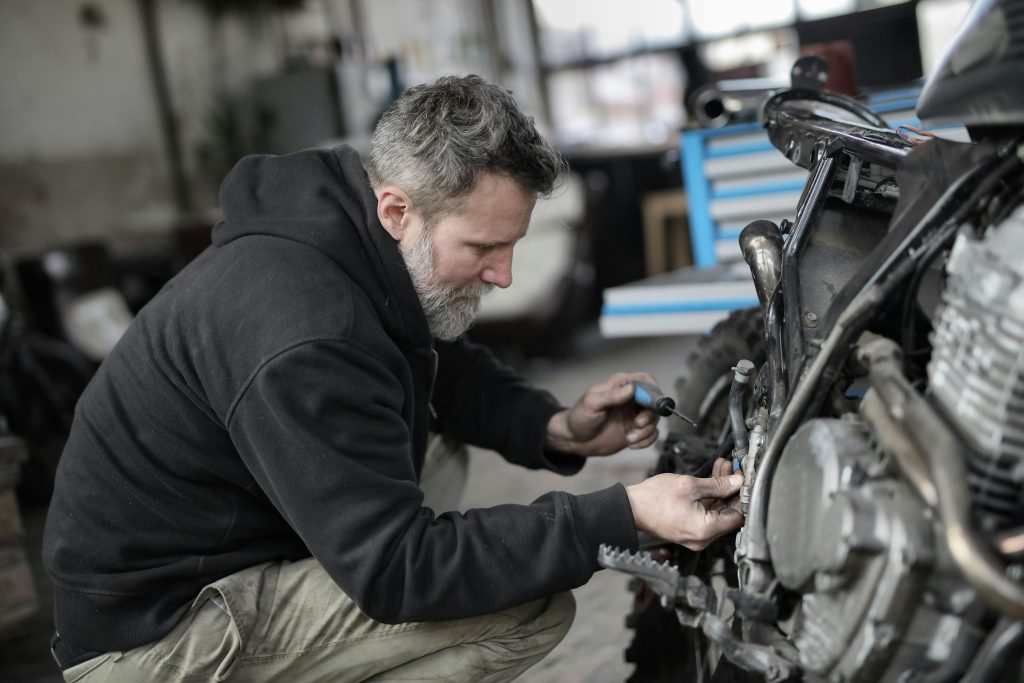 Photo: Pexels
You came in for a brake pad change – and suddenly you also need a new caliper, rotors, and a complete system check. The classic: finding “necessary repairs” along the way. Always ask for documentation and an explanation before saying yes.
![]()
Read also:
Using “OEM” terms for misdirection
 Photo: Pexels
When a mechanic says they use “OEM parts,” it sounds reassuring – it stands for “Original Equipment Manufacturer.” But it’s not always the same as “genuine brand parts.” Check what you’re actually getting – some OEM parts are cheaper replicas.
They overestimate labor time
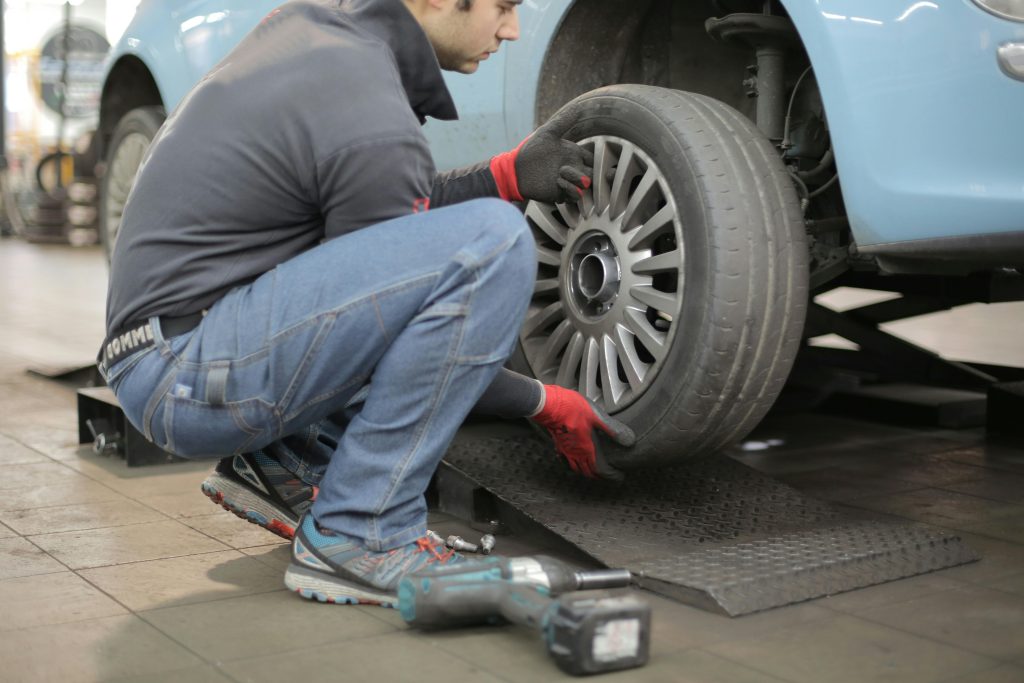 Photo: Pexels
Changing an air filter gasket should take 15 minutes, but it’s listed as 1.2 hours on the invoice? Some shops inflate labor time – especially if you don’t question it. Use Google and forums to get realistic estimates.
Replacement instead of repair
 Photo: Pexels
Some shops replace whole components instead of fixing the faulty part. Yes, it’s quicker for them – but costlier for you. Always ask if it can be fixed instead of replaced.
“It’s urgent”: the fear card
 Photo: Pexels
“You shouldn’t drive with this – it’s downright dangerous.” It could be true, but it could also be a tactic to push you into a quick decision. Get a second opinion if you’re unsure.
Using cheap fluids and parts at premium prices
 Photo: Pexels
You might pay for expensive motor oil, but they fill it with something standard. Inquire about brands and specifications – and ask to see what they’re putting in.
Service packages with filler
 Photo: Pexels
Some shops offer “complete service” with items like “checking washer fluid” and “tire pressure.” Translation: things you could have checked yourself. Go through the list and ask what’s genuinely valuable.
Use of technical jargon
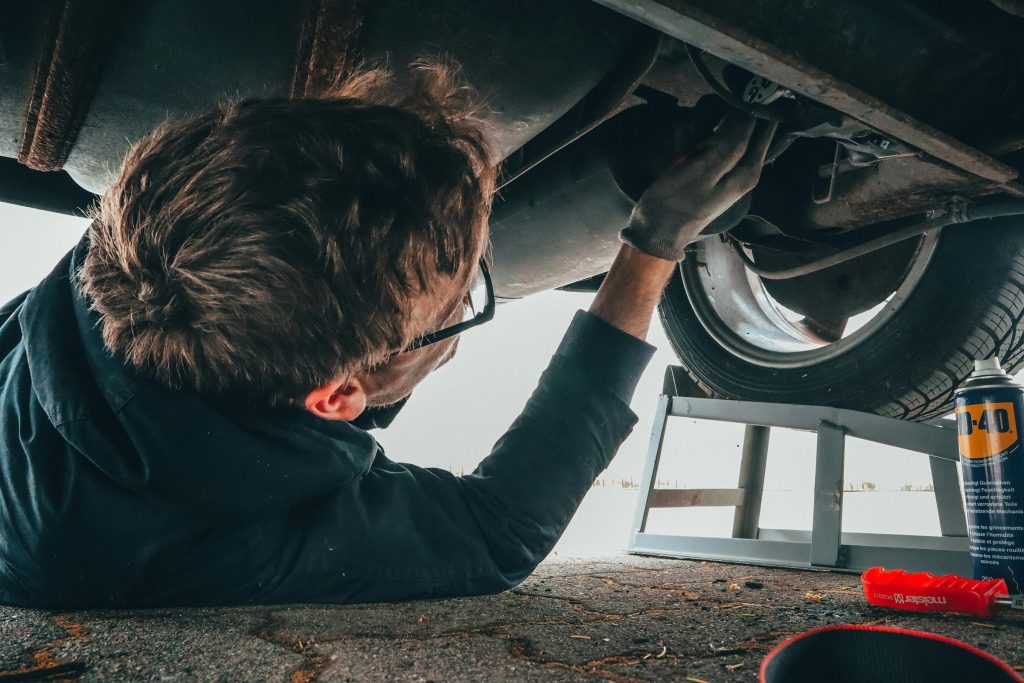 Photo: Pexels
When the mechanic tells you “your intercooler compensator is thermally stressed in the vacuum phase,” ask what it means – in simple terms. If they talk too technically without clear explanation, it’s often to keep you in the dark.
They assume you won’t ask about price before work
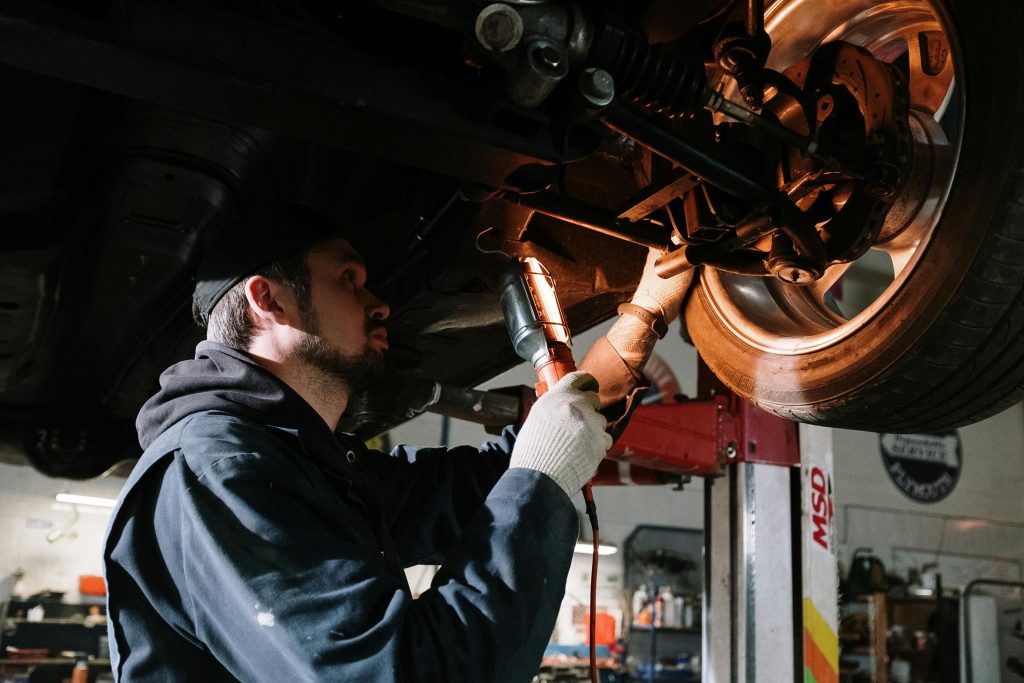 Photo: Pexels
Some shops start repairs without giving you a firm price. You always have the right to an estimate – and you can demand they call before doing extra work. Get it in writing.
Small fees, big money
 Photo: Pexels
“Air conditioning check – $39.” “Environmental fee – $10.” It seems harmless, but many small fees add up quickly. Ask for explanations on everything – and say no to anything you haven’t approved.
Our team may have used AI to assist in the creation of this content, which has been reviewed by our editors.
![]()
Read also: