Did You Know
7 Secret WWII Weapons That Stayed Hidden for Decades
Here are seven of the strangest and most fascinating weapons to emerge from WWII’s shadowy labs and hidden hangars.
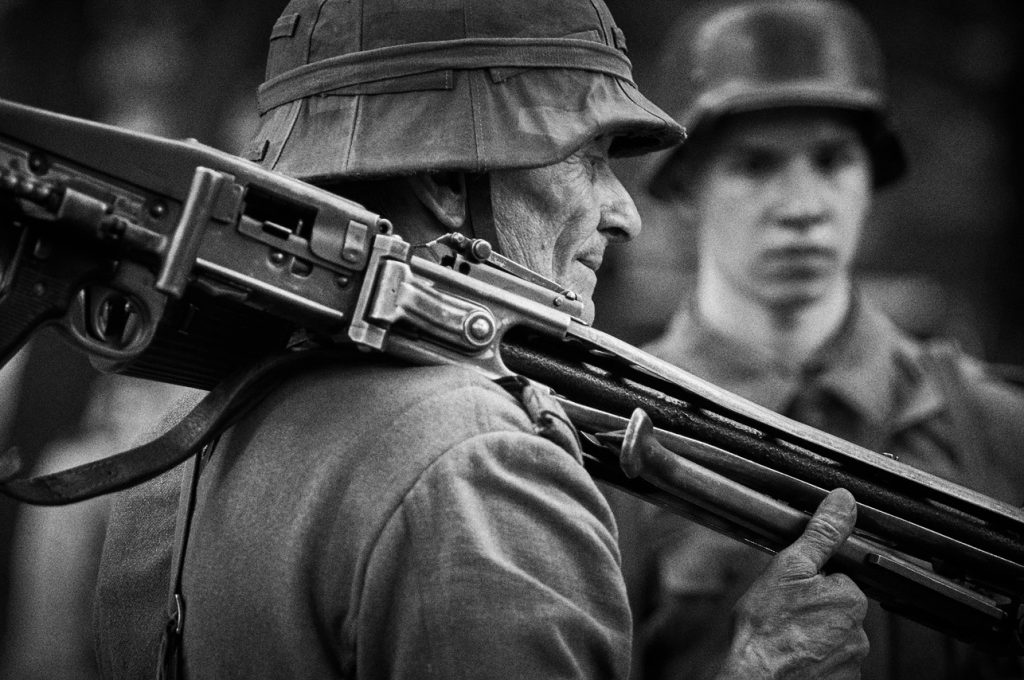 Foto: Pexels
When most people think of World War II, they picture tanks rumbling through muddy battlefields, bombers streaking across the sky, and gritty soldiers fighting street by street. But behind the scenes, scientists and engineers were quietly developing some of the most bizarre, ambitious, and downright futuristic weapons of the era—projects so secret that many weren’t revealed until decades after the war ended. Here are seven of the strangest and most fascinating weapons to emerge from WWII’s shadowy labs and hidden hangars.
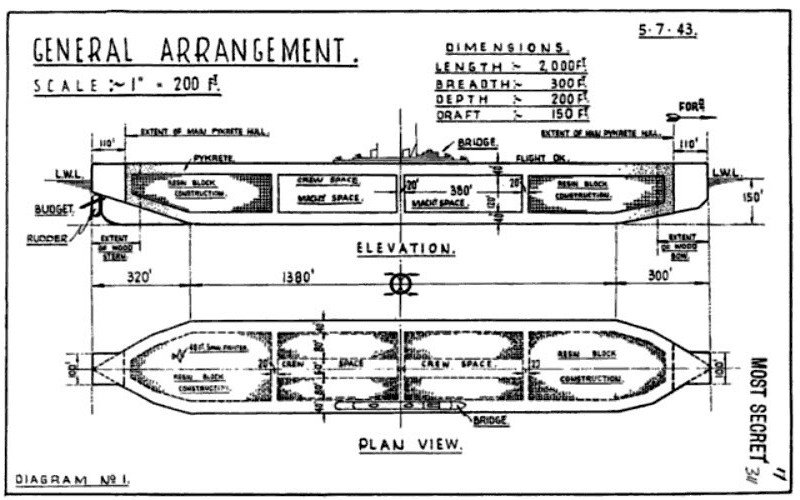
Operation Habakkuk – The Unsinkable Ice Ship
 Public domain, via Wikimedia Commons
The Allies once planned to build an aircraft carrier… out of ice. Using a mixture of ice and sawdust called “Pykrete,” the project aimed to create a massive floating fortress that was cheap, durable, and virtually unsinkable. Prototypes were tested in Canada, but as steel supplies stabilized, the plan was quietly scrapped. It may sound like a Bond villain’s fever dream, but Habakkuk was very real—and top secret at the time.
![]()
Read also:
The Bat Bomb – America’s Flaming Bats
 Foto: Pexels
In one of WWII’s strangest ideas, the U.S. military strapped tiny incendiary bombs to bats, planning to release them over Japanese cities. The hope was that the bats would roost in wooden buildings, starting thousands of fires simultaneously. Tests were actually conducted—until the bats accidentally torched a U.S. airbase, leading to the project’s abrupt cancellation.
Nazi Night Vision – A War Ahead of Its Time
 Foto: Pexels
Decades before night vision became a battlefield staple, Nazi Germany was experimenting with infrared scopes mounted on Panther tanks and rifles. The system, nicknamed “Vampir,” was bulky and required massive battery packs, but it worked. Limited deployments on the Eastern Front in 1945 remained a closely guarded secret for years after the war.
Soviet Spy Rats – The Rodent Reconnaissance Unit
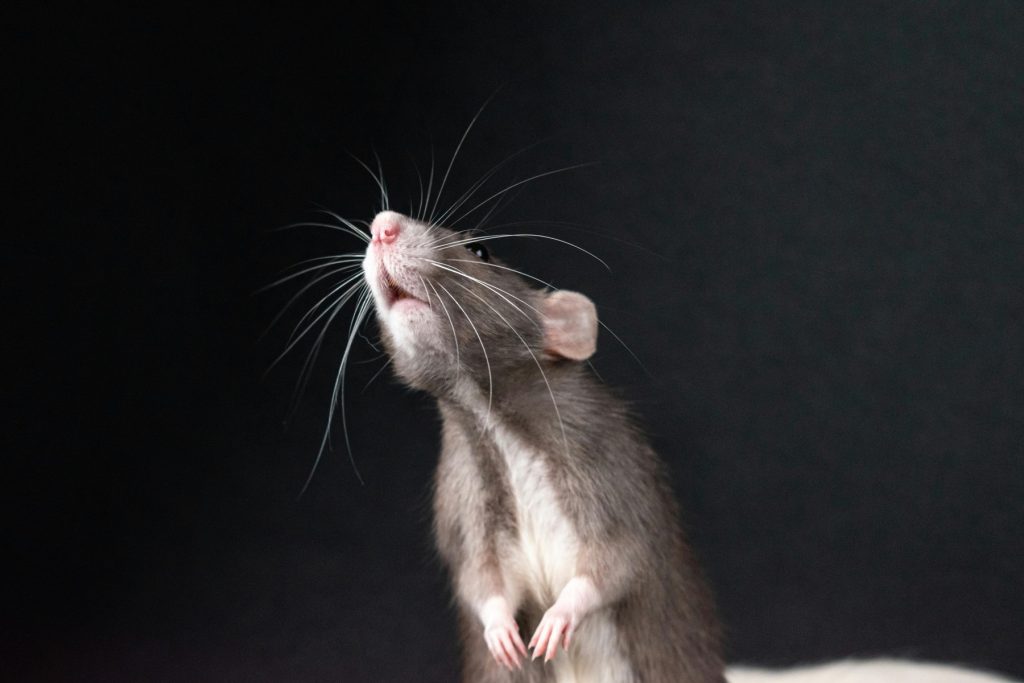 Foto: Pexels
The Soviets toyed with the idea of turning rats into spies. Prototypes featured miniature cameras and microphones strapped to the rodents, which were trained to sniff out certain scents. Some experiments even implanted electrodes in their brains to control movement remotely. The tech wasn’t advanced enough for real missions, but it foreshadowed today’s animal-based surveillance programs.
Horten Ho 229 – The Nazi Stealth Bomber
 Foto: Ducatipierre, CC BY-SA 4.0, via Wikimedia Commons
With its sleek flying wing design and twin jet engines, the Horten Ho 229 looked like something from a sci-fi film. Even more remarkable: it was designed with radar-evading features decades before “stealth” became a buzzword. A few prototypes were built, but the war ended before mass production. Many historians consider it the ancestor of modern stealth bombers like the B-2 Spirit.
Churchill’s Remote-Controlled Tanks
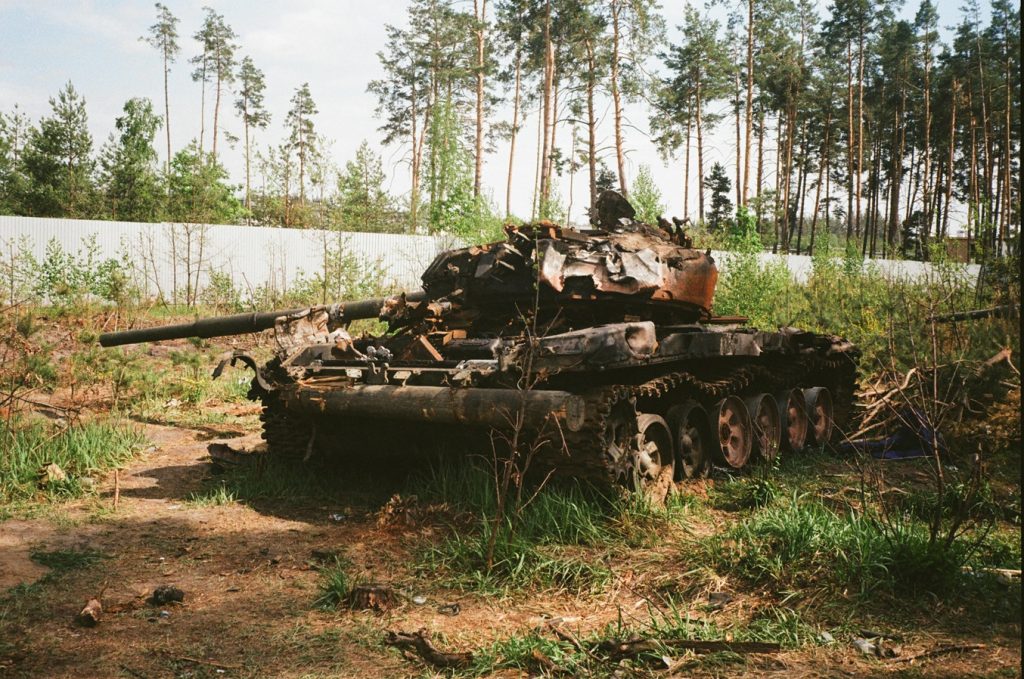 Foto: Pexels
British engineers developed the “Black Prince,” a remote-controlled tank designed for mine clearing and dangerous missions without risking human crews. Operated via radio from a nearby vehicle or bunker, it was crude by today’s standards but laid important groundwork for modern military drones and robotic warfare.
Japan’s Balloon Bombs – The Pacific’s Silent Attack
 Foto: Pexels
In a little-known campaign, Japan launched over 9,000 “Fu-Go” balloon bombs across the Pacific, hoping to start forest fires and sow panic in the U.S. Around 300 reached American soil, and tragically, one caused the deaths of six civilians in Oregon. To prevent public panic, U.S. authorities kept the attacks secret until after the war.
Our team may have used AI to assist in the creation of this content, which has been reviewed by our editors.
![]()
Read also: